
In recent years, there has been a growing interest in environmentally friendly practices, including in the realm of funerals. Traditional burial methods often involve practices that are not sustainable, prompting many to seek greener alternatives. This brings us to the concept of a green burial. But what is meant by a green burial, and how does it align with eco-friendly principles?
What is a Green Burial?
A green burial, also known as a natural burial, is a way of interring a body with minimal environmental impact. It avoids the use of toxic embalming fluids, non-biodegradable caskets, and concrete burial vaults. Instead, it emphasizes simplicity and sustainability, allowing the body to decompose naturally and return to the earth.
Key Components of a Green Burial
- Natural Decomposition: The primary goal of a green burial is to facilitate the natural decomposition of the body. This is achieved by avoiding embalming fluids that can leach into the soil and disrupt the natural decomposition process.
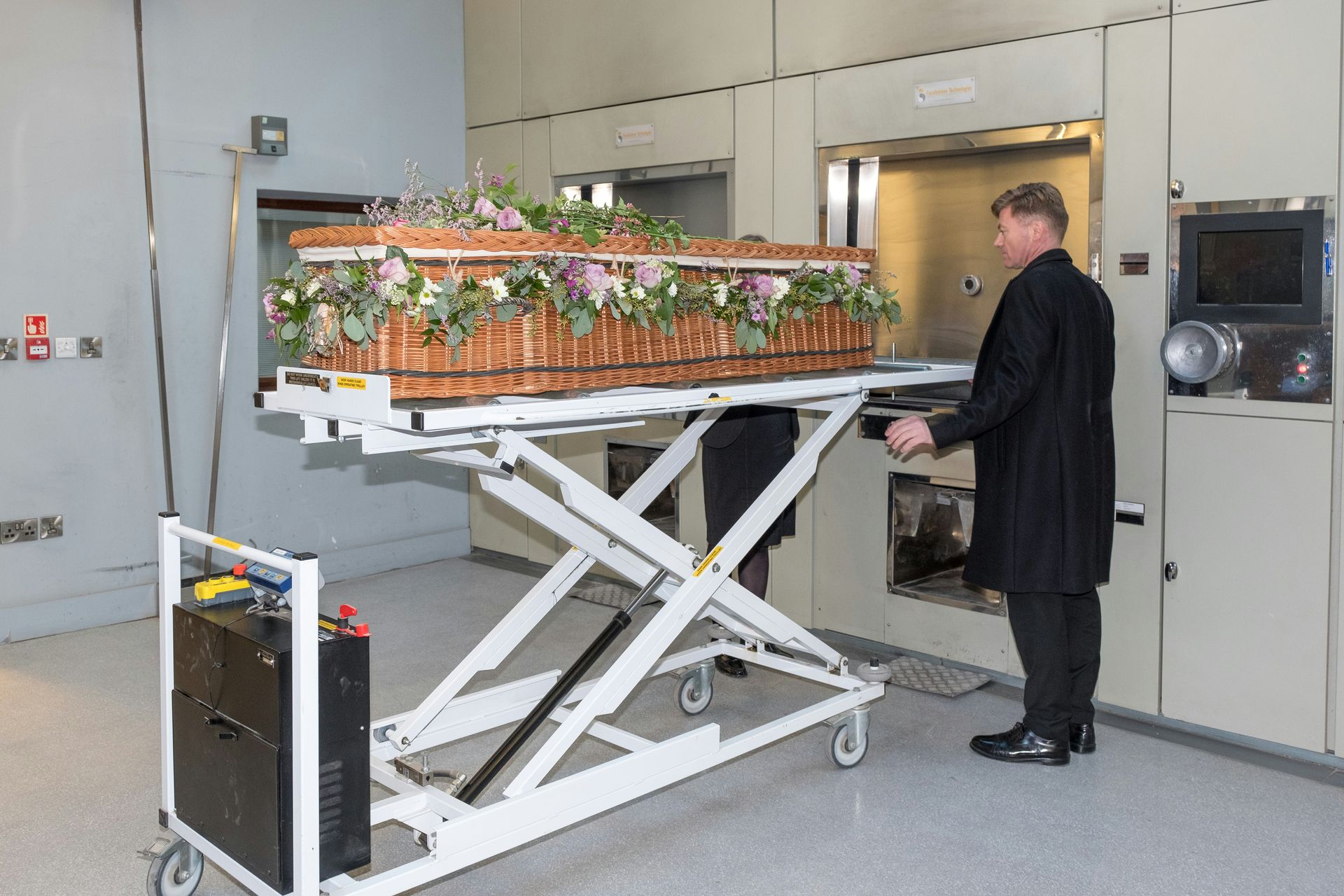
- Eco-Friendly Burial Containers: Green burials typically use biodegradable caskets, shrouds, or urns made from materials like bamboo, wicker, or untreated wood. These materials break down naturally, reducing the long-term environmental impact.
- No Concrete Vaults: Traditional burials often use concrete or metal vaults to encase the casket. Green burials eliminate the need for these vaults, allowing the body to be in direct contact with the earth.
- Conservation of Natural Resources: By foregoing the use of non-biodegradable materials and chemicals, green burials conserve natural resources and reduce pollution.
- Preservation of Natural Habitats: Many green burial sites are designed to preserve or restore natural habitats. These areas may also serve as wildlife sanctuaries, contributing to biodiversity conservation.
The 5 Principles of Green Burial
When considering a green burial, it's essential to understand the guiding principles that ensure its environmental benefits. Here are the five core principles:
- Conservation of Resources: Green burials prioritize the use of natural, biodegradable materials and avoid the use of resources that do not decompose. This includes choosing simple caskets or shrouds made from sustainable materials.
- Reduction of Carbon Footprint: Green burials aim to minimize the carbon footprint associated with traditional burial practices. This includes reducing the use of machinery for grave digging and maintenance and opting for hand-dug graves when possible.
- Protection of Worker Health: By eliminating the use of toxic embalming fluids and other hazardous chemicals, green burials protect the health of funeral home workers and cemetery staff.
- Preservation of Natural Habitats: Green burial sites are often located in or designed to restore natural habitats. These areas are maintained without the use of pesticides or herbicides, promoting biodiversity and ecological health.
- Simplicity and Dignity: Green burials emphasize simplicity and dignity in the burial process. This approach often involves more personal, family-led ceremonies and a deeper connection to the natural environment.
Benefits of Green Burials
Green burials offer numerous benefits, both environmentally and personally. Let's explore some of these advantages:
Environmental Benefits
- Reduced Pollution: By avoiding embalming fluids and non-biodegradable materials, green burials significantly reduce soil and water pollution.
- Sustainable Land Use: Green burial sites often double as conservation areas, ensuring that the land is used sustainably and preserved for future generations.
- Promotion of Biodiversity: Green burial grounds often serve as protected areas for local flora and fauna, promoting biodiversity and ecological balance.
Personal and Community Benefits
- Cost-Effective: Green burials can be more affordable than traditional burials, as they eliminate the need for costly caskets, vaults, and embalming procedures.
- Personal Connection: Many families find comfort in the simplicity and natural approach of green burials, allowing for more personal and meaningful ceremonies.
- Community Engagement: Green burial grounds often encourage community involvement and education about sustainable practices, fostering a sense of collective responsibility for the environment.
How to Plan a Green Burial
Planning a green burial involves several key steps to ensure that the process aligns with eco-friendly principles. Here are some guidelines to help you get started:
Choosing a Green Burial Provider
Select a funeral home or cemetery that offers green burial services. Look for providers that are certified by organizations like the Green Burial Council, which sets standards for eco-friendly burial practices.
Selecting a Burial Site
Green burial sites vary in their level of environmental focus. Some are dedicated conservation areas, while others may be traditional cemeteries with designated green sections. Choose a site that aligns with your values and preferences.
Preparing for a Green Burial
- Avoid Embalming: Opt for refrigeration or dry ice to preserve the body if necessary, avoiding the use of embalming fluids.
- Choose Biodegradable Containers: Select a casket, shroud, or urn made from natural, biodegradable materials.
- Plan a Natural Ceremony: Consider holding a simple, family-led ceremony that emphasizes a connection to nature and the deceased's values.
Legal Considerations
Ensure that your green burial plans comply with local laws and regulations. Some areas may have specific requirements for burial depth or container materials.
Green Funerals: Beyond Burial
Green funerals extend the principles of green burial to the entire funeral process. This can include:
- Eco-Friendly Transportation: Using hybrid or electric vehicles for transporting the body and mourners.
- Sustainable Memorial Products: Choosing eco-friendly memorial products like seed paper or biodegradable urns.
- Carbon Offsetting: Offsetting the carbon footprint of the funeral through donations to environmental organizations or planting trees.
Case Studies of Green Burial Practices
To better understand the implementation and benefits of green burials, let's look at a few case studies:
Case Study 1: Ramsey Creek Preserve
Ramsey Creek Preserve in South Carolina is one of the first green burial sites in the United States. The preserve emphasizes natural land conservation and offers green burial options that align with the principles of sustainability and biodiversity. The site serves as a nature preserve, with burial plots scattered throughout the forested area. This approach not only provides a final resting place but also contributes to the conservation of natural habitats and wildlife.
Case Study 2: Prairie Creek Conservation Cemetery
Prairie Creek Conservation Cemetery in Florida is another example of a green burial site that prioritizes environmental stewardship. The cemetery operates on land designated for conservation, ensuring that each burial contributes to the preservation of the ecosystem. Families who choose this cemetery for green burials often participate in the burial process, fostering a deeper connection to the natural world and the deceased.
Case Study 3: The Eternal Forest Project
The Eternal Forest Project in the UK focuses on creating memorial forests where trees are planted alongside burial sites. This project combines green burial practices with reforestation efforts, providing a lasting tribute to the deceased while promoting ecological restoration. Each burial contributes to the growth of the forest, supporting biodiversity and carbon sequestration.
Conclusion
Green burials offer a sustainable, eco-friendly alternative to traditional burial practices. By embracing the principles of conservation, simplicity, and respect for the natural environment, green burials provide a meaningful way to honor the deceased while protecting our planet. Whether you're planning for the future or making arrangements for a loved one, understanding what is meant by a green burial can help you make informed, environmentally responsible choices. Green burials not only reduce the environmental impact of the burial process but also foster a deeper connection to the natural world, offering a sense of peace and continuity in the cycle of life.
To learn more, we invite you to
contact us at Smith's Funeral Homes. Whether through calling 905-632-3333 or emailing info@smithsfh.com, we are here to provide guidance, and answer your questions. After all, the most profound act of love we can show to others is to ultimately honor the life we have lived.
Blog